
Hi! I, like you, am pleasantly and proudly surprised to post anything besides a year-end list on my site. In the tradition of Nick Davis’s own mid-year report card, I’ve decided to post my own ballot of the very best cinematic achievements of the first 50 U.S. releases I’ve seen this year. That’s right bitches, it’s The Fifties! I’ve been looking for some sort of motivator to get me to write and actually publish some kind of extended thoughts about films. Posting those write-ups from unfinished years only motivated me to try and say something about 2023, and this struck me as a very good way to accomplish that. So, without further ado, and with every hope this goads me into writing up my full ballot at the end of the year (or more writing at all, really), here we go!
Eligible Films: Air, Alcarras, Are You There God? It’s Me Margaret, Asteroid City, Bait, Barbie, Beau is Afraid, The Blackening, Boston Strangler, The Covenant, De Humani Corporis Fabrica, Dungeons & Dragons: Honor Among Thieves, Enys Men, Evil Dead Rise, The Flash, Godland, Guardians of the Galaxy Vol. 3, A House Made of Splinters, How to Blow Up a Pipeline, John Wick Ch. 4, Joyland, The Kings of the World, Knock at the Cabin, Kokomo City, Law of Tehran, Master Gardener, M3GAN, Monica, New Religion, Oppenheimer, Other People’s Children, Our Body, Pacifiction, Palm Trees and Power Lines, Past Lives, Polite Society, The Pope’s Exorcist, Rewind and Play, Rock Hudson: All That Heaven Allowed, Rye Lane, Shin Ultraman, Showing Up, Spider-Man: Across the Spider-Verse, The Stroll, Suzume, Taylor Mac’s 24-Decade History of Popular Music, They Cloned Tyrone, A Thousand and One, Will-O’-The-Wisp.
Picture

- Alcarras – Assuredly lived-in, indelibly shot portrait of a family’s particularities and fractures, exacerbated as their lifestyle grows untenable. Shows cultural rifts without sanctifying them.
- Barbie – For being the most delightful, exuberantly rewatchable confection of the summer. Not every bit lands, but the hilarity and ambition keep surprising.
- Godland – A document of faith against nature, of photography as a tool to transform living cultures into historical objects, of a priest laid bare at the altar of his contradictions.
- The Kings of the World – Sits alongside Prayers for the Stolen as a singular vision of young people in Mexico trying to carve a place for themselves amidst inhospitable conditions.
- Kokomo City – Because I kept saying “foundational” to myself like Barry Jenkins in the Criterion Closet while watching this. Such an unforgettable, entertaining testimony.
- Law of Tehran – For muscular construction and brainy plotting, making as mighty of an impression now as it did four years ago during its initial festival debut.
- Our Body – For finding the political in the personal, using a Wiseman-y scale and observational style but operating in a warmer key.
- Pacifiction – A portrait of colonial menace as viral, atmospheric radiation and a mob-like contagion, trying to seep into the earth and strangle the moon.
- Spider-Man: Across the Spider-Verse – A jaw-dropping coloratura of animation styles and artistic mediums. Dense, engaging, funny build earns its ever-expanding stakes.
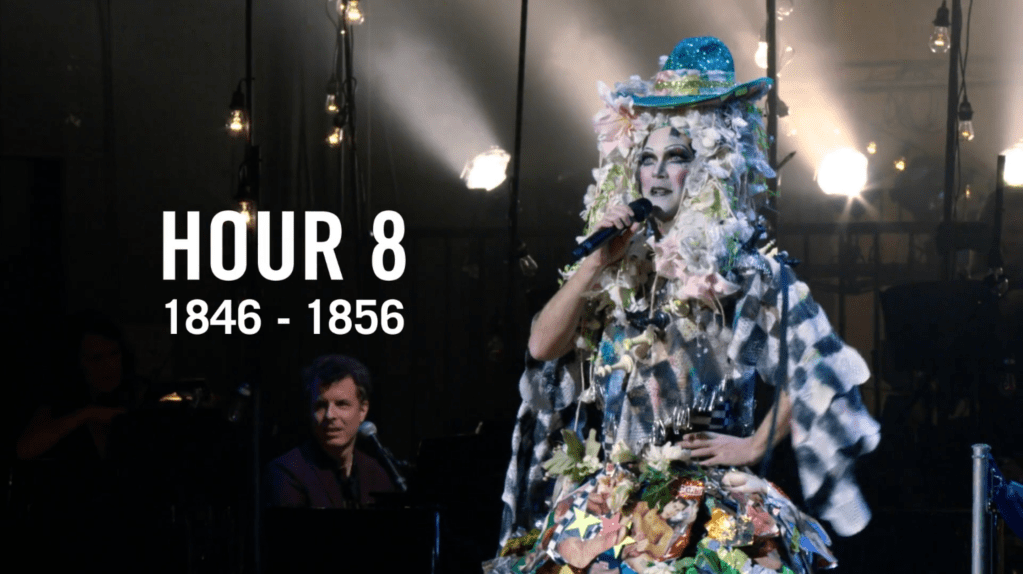
- Taylor Mac’s 24-Decade History of Popular Music – The 2023 film I’ve most encouraged folks to watch. Magnificently shot and cut to maximize the grandness scope and intimacy of the show. Bawdy, inventive, and so so fun.
Runners-Up: Asteroid City and Past Lives both almost made my top 10, but given how well-represented they are elsewhere on my ballot and how many people are already championing them, I decided to leave them off for now – if I kick myself (or feel vindicated) on rewatch, then so be it, but trust that I’ll be happy to talk about them the rest of the year. Slightly further down but still in contention, I need more people to see New Religion as soon as possible.
Director

- Laura Mora, The Kings of the World – Whose sympathy with her characters and insights on her country are matched by her formal ingenuity, telling this story like no one else would.
- Saeed Roustee, Law of Tehran – For immersing us in sordid, fraught realities without excusing or solving them, and directing the hell out of his actors and craftspeople.
- Albert Serra, Pacifiction – Who has constructed a gorgeous, sinister mood piece about power as a system of half-attended pageants, shadow brokers, and barely-waiting vultures.
- Carla Simón, Alcarras – Who’s two for two on stories of family turmoil centered on a kid’s POV but seeing each generation in full, conveying forthright and unspoken tensions on wholly cinematic terms.
- Claire Simon, Our Body – Whose heroic, uncloying empathy and patient exploration of the hospital’s many duties and the people who use them is clearly reciprocated, allowing for great candor and insight.
Runners-Up: Naturally, my five other Picture nominees and the three runners-up below them would qualify here – I’ll go out of my way to shout that Greta Gerwig and Celine Song’s direction is arguably more impressive than their nominated scripts, given how they visualize their ideas and coax such vivid performances from their actors. Outside those films, I enjoyed Kelly Fremon Craig’s control of prickly and sunny tones in Are You There, God? It’s Me, Margaret, Jamie Dack bravely handling a skin-crawling dynamic without sensationalism in Palm Trees and Power Lines, using LA sunlight ingeniously and sticking a landing that recoups some earlier listlessness, and M. Night Shyamalan getting his fingerprints all over Knock at the Cabin, applying his formal ideas more productively than in Old while finding so many emotional centers.
Documentary
- De Humani Corporis Fabrica, dirs. Lucien Castain-Taylor and and Verena Paravel – Because the ethical quandaries and the griping of the doctors is either an ancillary concern or the point of the whole damn thing. Formally dazzling, and worth arguing over.
- Kokomo City, dir. D. Smith – Celebrates the personality, wit, and experience of its subjects, and matches their bravado instead of resting on it.
- Our Body, dir. Claire Simon – From tomb to cradle, paints an incredibly wide canvas of the folks who operate and attend a French OBGYN, using diverse fragments to assemble the human condition.
- Rewind and Play, dir. Alain Gomis – A sweaty, unusual experiment, repurposing archival footage towards showcasing Monk’s evident talent and unease in the face of white French belligerence.
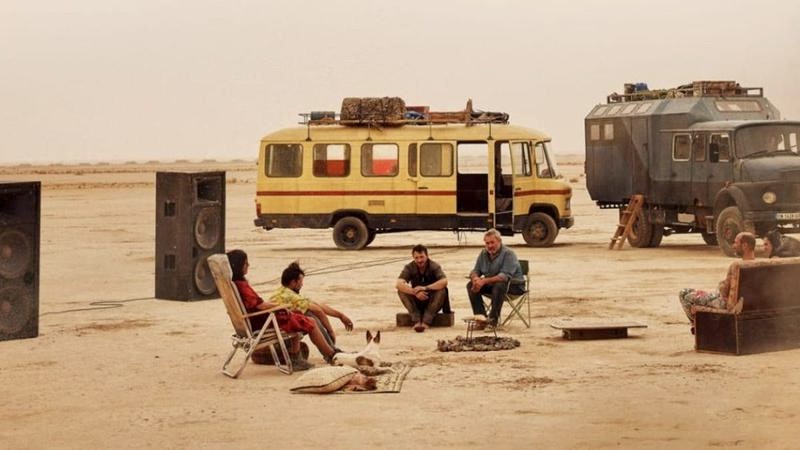
- Taylor Mac’s 24-Decade History of Popular Music, dirs. Rob Epstein and Jeffrey Friedman – As with the best queer art, refracts time and history to provide a unique, challenging, absurdly personal experience. So many points for “Snakeskin Cowboy”.
Runners-Up: Not a crowded field so far, but props to A House Made of Splinters, The Stroll, and Rock Hudson: All That Heaven Allowed.
Ensemble

- Alcarras, Mireia Juárez – The non-professional cast all communicate plausible, storied relationships to their land, their families, and their way of life. So finely etched, and so moving.
- Are You There God? It’s Me, Margaret, Melissa Kostenbauder – Because the way kids question their worlds and express themselves is so different from adults, but each actor conveys history and interiority. Marvelous give and take.
- Barbie, Lucy Bevan and Allison Jones – Offers a plethora of razor-sharp, distinctly hilarious takes on the same two characters, while giving The Real World its own silliness and pathos. Heroic commitment to the bit.
- Law of Tehran, Sajjad Dolati and Sepehrechavoshi – Supporting players emerge with as much dexterity as the titanic, baton-passing leads at layering culpability, intention, nobility, and rot.
- Spider-Man: Across the Spider-Verse, Libby Thomas Dickey and Mary Hidalgo – Where new voices pop off the screen with dynamic energy, and returning players seize the chance to deepen their roles.
Runners-Up: Joyland’s actors all endow their characters with human messiness, and find interesting angles on sometimes melodramatic or left-of-field decision-making. Asteroid City boasts the highest number of performers in sync with Anderson’s particular wavelength, with everyone investing warmth and shaping their line readings rather than letting their director carry the load. The central six-person troupe of The Blackening burnish a fantastic comedic rapport with each other, plus the great duet with Yvonne Orji and Jay Pharoah in the opener. Further honorable mentions to: the crisp, procedural workmanship of Boston Strangler; the never-better returns on investment from mainstay players in Guardians of the Galaxy Vol. 3; the terrified hostages and even more terrified hostage-takers of Knock at the Cabin; the gaggle of chummy but unreliable friends of Palm Trees and Power Lines; and the committed casts of Beau is Afraid and Polite Society, all of whom feel licensed to Go For It in very demonstratively stylized films – even if a lot of those actors have different ideas of execution, the sense of everyone going out on odd limbs is very appreciated.
Actress
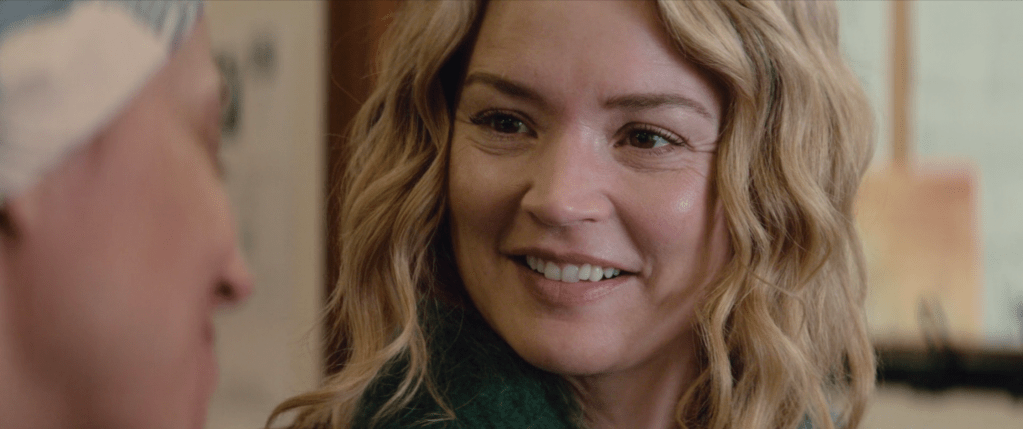
- Virginie Efira, Other People’s Children – Intelligent, sexy, detailed, utterly plausible rendering of cinema’s greatest spectacle: a woman at a crossroads, thinking
- Rasti Farooq, Joyland – Negotiates her character’s sudden, rejuvenate awakenings alongside a creeping sense the life she wants is forever out of reach
- Greta Lee, Past Lives – Slyly shows when her character is entranced by or withdrawing from her conversation partner, more decisive in body language than her words let on
- Margot Robbie, Barbie – From complacent idea to curious, eager interloper facing real life for the first time, Robbie invests Barbie with tremendous humanity. Beautiful rapport with co-stars
- Teyana Taylor, A Thousand and One – Refuses to use maternal devotion to sanctify or abstract her character’s choices. Foregrounds mettle and brittleness with measured control
Runners-Up: Trace Lysette in Monica, who against all odds sketches a real, compelling personality in this muted drama, making you wish it let her plumb deeper into its premises. Teyonah Parris gives the most vivacious, quietly dimensional performance in They Cloned Tyrone. And in the category of “Intrepid younger actresses whose careers I can’t wait to see blossom”: Lily McInerny in Palm Trees and Power Lines, whose exploration of how far her character is willing to go for a sketchy relationship is gutsy and uncomfortably honest; Abby Ryder Forston in Are You There God? It’s Me, Margaret, supplying the inquisitive, watchful spirit her movie needs and reckoning fully with the good annd the bad she learns about; Quintessa Swindell in Master Gardener, holding her own against bigger stars and finding a person in her line readings, pauses, and reactions; and Priya Kansara in Polite Society, carrying her film with boundless but no undisciplined energy.
Actor
- Ryan Gosling, Barbie – Sustains his trajectory from sweet, jealous puppy to patriarchal warlord with lost-soul neediness and exuberant comedic instincts
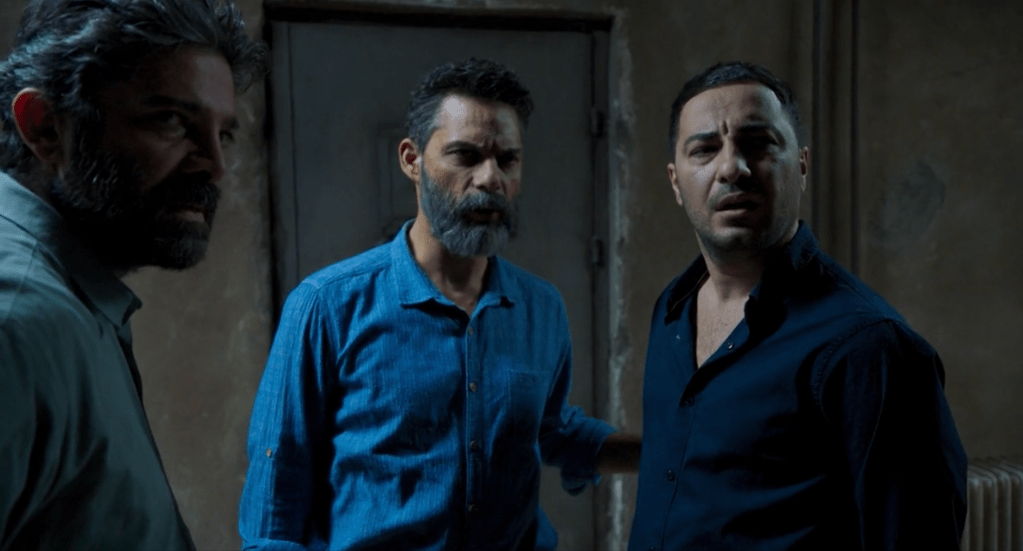
- Peyman Moaadi, Law of Tehran – Whose obsession to catch criminals and stay ahead of his colleagues manifests as bullish arrogance, even as whiffs of failure rattle his core
- Navid Mohammahdzade, Law of Tehran – Plunges totally into this drug lord’s convictions, crafting a full dossier of a ferocious kingpin and a community leader trying to save what he can
- Jason Schwartzman, Asteroid City – Career-best work as a hot widower reconciling old wounds with new possibilities, and an artist reckoning with inexplicable choices
- Teo Yoo, Past Lives – Who is trying so very hard to make this connection meaningful without getting his hopes up, yet his ardor is written all over his face, voice, and body, in spite of himself
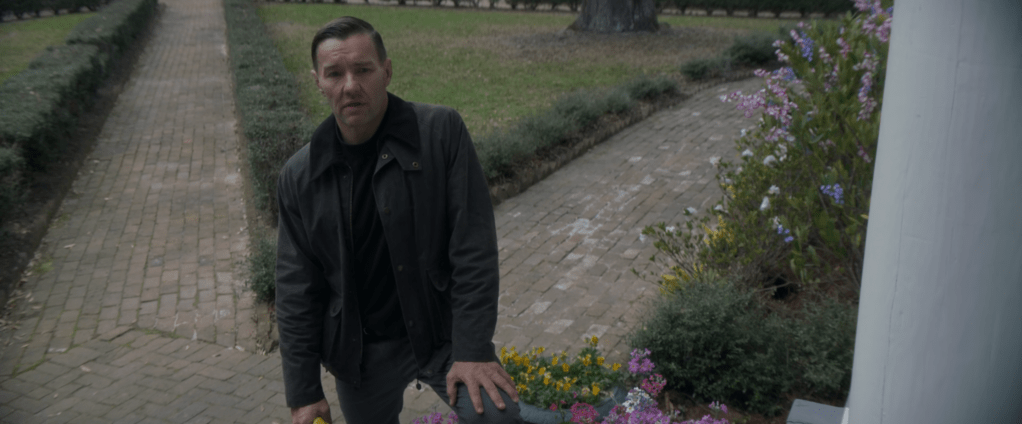
Runners-Up: David Bautista’s soulful anguish in Knock at the Cabin, sympathetic to his captives yet resolute in his mission, was the hardest cut from the acting categories, and maybe from any category. Cillian Murphy deserves every plaudit he’ll get for anchoring Oppenheimer with such a terse, self-justifyingn figure, retaining mystery across three hours. Joel Edgerton in Master Gardener gives my favorite performance of Schraeder’s recent trilogy, who signals shifting priorities under a dour exterior, and makes his smiles count. Jonathan Tucker is so insinuating in Palm Trees and Power Lines with his promises and manipulations, smartly refusing to show his seams to an audience who can guess his intentions. Benoit Magimel, so loose and hypnotic in Pacifiction as a power broker discovering how far his bark can still take him. Russell Crowe offers a wildly good time in The Pope’s Exorcist, finding the exact right mixture of solemnity and ham, watchable at all times even when the film isn’t. Lastly, Jamie Foxx is hilarious in They Cloned Tyrone, going from comic stereotype to unexpected hero.
Supporting Actress

- Hong Chau, Showing Up – Light as a breeze, finds gradations of sincerity, cheer, irritation, and passive-aggression so nimbly that she evades easy judgments or labels from any direction
- Scarlett Johansson, Asteroid City – Relishes in the stillness and layers of artifice surrounding her character, but dexterously reveals a core of bruised, witty humanity
- Pahoa Mahagafanua, Pacifiction – Who endows her lover/confidante with a bemused, sphinx-like charisma, paradoxically aloof and grounded, in her very first film role
- Rachel McAdams, Are You There God? It’s Me, Margaret – Whose consideration, restlessness, and total emotional transparency gift her character and her film an increasingly valuable sense of history and connective threads
- Parker Posey, Beau is Afraid – Keeps finding notes of spontaneity and slightly unpredictable tones even as she offers the most normal figure in Aster’s weird tale
Runners-Up: Sigourney Weaver’s brittle, intimidating glamour in Master Gardener, serving levels of Joan Crawford realness I had no idea she possessed. Sirwat Gilani’s watchful bride and Alina Khan’s flinty dancer (a co-lead?) greatly elevate their roles Joyland with rounded, layered turns. Nikki Amuka-Bird finds a scared yet unnwavering register in Knock at the Cabin, earning a strange sympathy even whenn she’s forced to violence. Lorna Raver in Drag Me to Hell ran so Alyssa Sutherland in Evil Dead Rise could sprint for your throat, casually ingratiating as a put-upon mom and relishing her own bloodthirsty, taunting villainy once she exits the tub. Despite a slightly abridged showcase, America Ferrera pours so much detail into her Barbie role that she makes her choices and relationships track. Nimra Bucha gives great old-school villainy in Polite Society, with Ella Bruccoleri and Seraphina Beh offering pristine comic relief as top tier besties. Further honorable mentions to Zoe Lister-Jones‘ steely matriarch in Beau is Afraid, vamping with more measured intrigue than Patti; Quinn Frankel’s reliable if not quite trustworthy pal in Palm Trees and Power Lines, and Kathy Bates in Are You There God? It’s Me, Margaret, living it up in retirement and providing real pathos at a further distance from her family than she’s used to.
Supporting Actor

- William Catlett, A Thousand and One – Because he embodies his maybe-reliable maybe-boyfriend with lived-in texture and insinuating edges, using Rockwell’s ellipses to deepen Lucky without being transparent.
- David Krumholtz, Oppenheimer – Whose immediate, unflappable camaraderie and no-frills intelligence stands out even amidst starrier faces and larger roles.
- John Magaro, Past Lives – Who subtly sees his wife in ways she either can’t admit or recognize, and whose ability to express his fears is inexorably entwined with his devotion and desire to know her.
- Ingvar E. Sigurdsson, Godland – Whose disdain is not rooted in brutish ignorance but in seeing so completely through the priest’s veneers, smelling a rat and treating him accordingly.
- Donnie Yen, John Wick Chapter 4 – Commits to the character’s ridiculous conceits, fearsome skills, and mournful dedication to his mission with gravitas and po-faced comedy.
Runners-Up: Josep Abad in Alcarras, whose piquant shame and mystification at the circumstances of his family’s downfall provide a poignant emotional spine. Bennie Safdie tells us a lot about his family’s dynamics in Are You There God? It’s Me, Margaret, knowing when to intervene and when to let someone say their truth. Benjamin Sarpong-Broni’s himbo cuckhold in a standout of Rye Lane’s ensemble, too fun to really resent. Chukwudi Iwuji in Guardians of the Galaxy Vol. 3 is genuinely threatening as the megalomaniacal big bad. Nathan Lane playing straight in Beau is Afraid got the biggest laugh from my friend Lucas, but his chummy manipulations anchor his chapter marvelously. I’d want to rewatch Asteroid City before rannking Jake Ryan too high, but he’s sensitive and delightful in his corner of the film. Last but certainly not least, a collective bouquet for Macon Blair’s outmaneuvered lawyer, Jason Clarke’s total ass of a government interrogator, Matt Damon’s familiar but welcome curmudgeonly humor and gravity, Robert Downey Jr’s sharp handling of about-faces and audience presumption, and Alden Ehrenreich learmimg how the game is played in Oppenheimer, all of whom do sterling work without being a huge threat for my own ballot.
Original Screenplay

- Alcarras, Carla Simón and Arnau Vilaro – A slice-of-life portrait as attentive to daily rhythms and major upheavals. Reveals interpersonal and political contexts in precise detail
- Asteroid City, Wes Anderson – Balances so many pieces without being mechanical, and lets the meat of a frame story about creation, collaboration, and interpretation seep into the main line
- Law of Tehran, Saeed Roustaee – Pulls off tremendous shifts in scope and point of view while retaining national, generic, and character-specific stakes
- Past Lives, Celine Song – Which could rework some blunt dialogues, but is so maturely insightful about how people change and the choices they make
- Suzume, Makoto Shinkai – Utterly go-for-broke with its romance and its cosmic fantasy conceits, even by Shinkai’s already-high standards. Unwieldy, but so rewarding
Runners-Up: Other People’s Children, which very nearly pipped a spot on this list as one of the year’s best character studies. Close behind it is the novelistic scope of A Thousand and One, immersing itself so fully in time and place, and taking big risks on an elliptical structure. I don’t know that Joyland recuperates every cliche or character beat, especially in the last quarter, but the levels of poignancy and exploration that defined it up till then are so shrewd on behavior and so rewarding to spend time with. Master Gardener has plenty of risks conceits, though I suspect Schraeder’s direction is even more responsible for what makes the film so special. Though I’m even more jazzed by the direction of Godland and Kings of the World, everything formidable and challenging about their narratives is as much to do with their scripts as the transcendent way they’ve been realized.
Adapted Screenplay

- Are You There God? It’s Me, Margaret, Kelly Fremon Craig – Tackles tough, thorny ideas about self-discovery so sensitively without softening them. Sees kids and adults as full human beings, and speaks to both so eloquently.
- Barbie, Greta Gerwig and Noah Baumbach – For real, nuanced ideas about who and what Barbie can be, about gender mandates and political power, expressed with all the buoyant zaniness of playing with dolls.
- Knock at the Cabin, M. Night Shyamalan, Michael Shermon, and Steve Desmond – A test of faith and belonging to one’s home where the invaders/heralds are as dimensional as the victims/arbiters.
- Oppenheimer, Christopher Nolan, Kai Bird, Martin Sherwin – Can sometimes get lost in itself, but mostly tracks huge, interwoven stories across times and POVs. Smart on how white men in power justify their roles in history.
- Spider-Man: Across the Spider-Verse, Phil Lord, Christopher Miller, and David Callaham – Which is so obviously the first half of a film that I can’t know if it’ll stick the landing, but it takes big swings, and handles comic book pacing and character arcs so well.
Runners-Up: How to Blow Up a Pipeline, which almost pipped Spider-Verse for its piecemeal structure, its equal investment in every character without being saccharine or propping up a villain, and total outrage at the world’s inaction. Still, excited for more options later in the year.
Cinematography

- Bait, Mark Jenkin – Scratchy, monochromatic B-movie pastiche equally elegant with hardscrabble, domestic dock life and emblems of fracture and dread
- Godland, Maria von Hausswolff – Inspiration from still photography artfully evident in its textures and compositions, giving the film such life and immediacy within its boxy frame
- The Kings of the World, David Gallego – Extraordinary negotiations of light, movement, environment, and atmosphere to conjure poetic and unsparing tableaus. Heightened without breaking from or denying reality
- Kokomo City, D. Smith – High-contrast photography gives interview subjects and their milieu rough, artful textures, reveling in the music and idiosyncrasy of everyone involved
- Pacifiction, Artur Tort – Polynesia is shot with postcard beauty, irradiated sunlight, and moonless voids, warping its environment to suit alien machinations
As with every year, this category is crowded as fuck, and all of the films cited in my final five and my honorable mentions are worth treasuring. Still, the best among runners-up is Alcarras’ ingenuity with camera placement and natural light, shifting between living with the characters and finding images that distill their plight so succinctly. Joyland’s lensing gives the film visual dynamism, sexy and kinetic and as willing to explore as its leads. De Humani Corporis Fabrica knows how to transition from making parts of the human body oddly alien to uncomfortably recognizable. Further mentions for the engaging depth of image and color palette in Asteroid City, the lite-brite saturation of Barbie, the eccentric framing of Knock at the Cabin, the tense imagery of Law of Tehran, the bold swaths of color and unsettled camera placement in New Religion, the striking blocking and use of natural light in Palm Trees and Power Lines, and the roving eye towards spectacle and companionship amongst the artists and attendees at Taylor Mac’s 24-Decade History of Popular Music.
Editing

- Alcarras, Anna Pfaff – Finds the movie in faces and bodies, and the movie in the silences and observations between those spaces, binding them together. Holds quotidian rhythms and larger scales in quiet harmony.
- How to Blow Up a Pipeline, Daniel Garber – For ratcheting and exploding tension like a heist joint, weaving that energy through scenes of nuts-and-bolts groundwork, polemic recruitment, and direct action.
- The Kings of the World, Sebastian Hernandez & Gustavo Vasco – Gives this odyssey just enough shape without tidying its structure, keeping us on our toes. Equally dialed into dreamlike and plainspoken intervals.
- Law of Tehran, Bahram Dehghani – Maintains a propulsive momentum while keeping track of dynamics of power, investigation, and violence.
- New Religion, Keishi Kondo – With the creeping momentum and eerie temporality of a ghost story, cuts move with unsettling fluidity, making the film’s spikes of horror even more potent.
Runners-Up: Oppenheimer and Spider-Man: Across the Spider-Verse made very close plays for this list, taking on incredibly dense scripts and making them dance without losing nuance. Taylor Mac’s 24-Decade History of Popular Music does a hell of a job compressing a behemoth show, along with behind-the-scenes interviews, into a real, structured film, capturing the show without replicating it. De Humani Corporis Fabrica’s extended longueurs and micro-edits may feed into the dubious naval-gazing, but it does a fascinating job of dramatizing the slow shift from making the doctor tertiary to central figures. The editing in Barbie makes smart, funny choices as it hops between group shots, reactions, and close-ups, while moving at a jaunty pace. Godland’s cuts puncture the pacing and images in exactly the right way.
Sound Design

- De Humani Corporis Fabrica, Bruno Ehlinger & co. – Logistically astonishing; sensorily overwhelming; enables the film’s twin interests in clinical detachment and immersive examination
- New Religion, Hiroki Sawada – Destabilizes any boundaries between madness, memory, and reality without settling for cheap tricks or stealing from anyone’s playbook
- Oppenheimer, Richard King, Kevin O’Connell, Unsun Song & co. – Heroic investment in scientifically accurate recreations of engineering and testing while staying tightly-hewn to its solipsistic POV
- Pacifiction, Jordi Ribas, Bruno Tarriere & co. – Seaside atmospherics, ambient club beats, murmured conversations, all feeding airs of easygoing menace from multiple directions
- Spider-Man: Across the Spider-Verse, Josh Aude & co. – So many recurring and one-off effects to keep in check, but every sonic element is coordinated to dodge clutter and pop at the right moments.
Runners-Up: The Kings of the World, which grounds the film’s imagery and movements in tactile detail, and could easily move back in this lineup by the year’s end. The high-quality audio of Taylor Mac’s 24-Decade History of Popular Music is an amazing feat. Evil Dead Rise is my current silver medalist for horror sound mixing, taking a maximalist approach while still modulating itself. Kokomo City’s soundtrack knocks a lot of bigger-budget playlist nostalgia whores right on their asses. Barbie’s sonic elements are as bouncy as the visuals, from the music elements to the goofy sound effects. Godland’s sound achieves the same purposes as Kings of the World, making Iceland of this world and slightly beyond it. Lastly, I offer a study in contrasts with the exuberant pastiche of Polite Society and the controlled but no less entertaining management found in Asteroid City.
Score
- Asteroid City, Alexandre Desplat – Kept on a tighter reign than usual, Desplat’s compositions still supply dizzying layers of idiosyncrasy and feeling
- Master Gardener, Devonté Hynes – As affectingly keyed in to the terror of falling back into your old self as it is to the possibilities of redemption and grace
- Oppenheimer, Ludwig Goransson – I’ve never been so entranced by Göransson’s tricked-out motifs, but he makes a near-omnipresent score into a vital element of the film
- Past Lives, Christopher Bear and Daniel Rosen – Floating through scenes like air bubbles, the music seeps into this brief re-encounter with thrums of excitement and longing
- A Thousand and One, Gary Gunn – So creative in its instrumentations, endowing our impression of already-tough characters and scenarios with poetic, complex resonance
Runners-Up: Not a wildly crowded field for me yet. Still, I’m already wondering if I should have made room for Daniel Pemberton’s score for Spider-Man: Across the Spider-Verse, which is somehow even more athletic at differentiating worlds and accenting scenes than his contributions to the original film, but I suspect his music will linger with me and with plenty of other folks throughout the film year. Suzume’s soaring compositions, matching the scale and spirit of Shinkai’s exuberant tones, is similarly impressive. While these scores aren’t the main attraction, I also appreciated Barbie’s bubbly interludes between songs and Pacifiction’s creeping woodwinds.
Production Design

- Asteroid City, Adam Stockhausen and Kris Moran – Gives its titular city plausibility and eccentricity, with a color palette and flatness that fits its nested narrative conceits
- Barbie, Sarah Greenwood and Katie Spencer – I’m not actually going to describe it better than Cláudio’s tweet, so I’ll just link it here and reiterate how correct he is (as per usual)
- Beau is Afraid, Fiona Crombie – Does the best job of balancing her film’s interests in exaggerated sites of degradation, artifice, and unsettling normalcy. Funniest element of the film, too
- Godland, Frosti Fridriksson – Because the clean lines of its wooden architecture speaks equally to a cultivated sense of austerity and sweaty desperation to build atop an existing culture.
- Showing Up, Anthony Gasparro & the Contributing Artists – Because the color, medium, shape, process of creation, and time spent on every piece of artwork reveals a galaxy of inaccessible thoughts and ideas within their makers
Runners-Up: The villages, jail cells, and dungeons of Dungeons and Dragons: Honor Among Thieves made the closest play at this list, utilizing digital embellishment but still doing an impressive job of making archetypal settings look fresh – had I remembered it earlier, it would have taken Godland’s slot. Close behind is Are You There God? It’s Me, Margaret, for so many detailed and character-rich homes, dodging ’70s cliche as artfully as the costumes. Following them is the cluttered, personality-accented house in Evil Dead Rise, which arguably boasts the prop of the year with its demonic book; They Cloned Tyrone’s witty, dystopian parody of menacing ads, cheap apartments, and creepy labs; Oppenheimer’s sets and laboratories are fully realized marvels, even the ones we only spend a few seconds with; and Rye Lane’s art galleries and pop-brite vision of London. While not enough of an art direction showcase to make this list, the titular board game in The Blackening is pretty fantastic.
Costume Design

- Are You There God? It’s Me, Margaret, Ann Roth – Embraces a wide range of colors, patterns, and silhouettes to show who these people are and how they try to design themselves in new territories
- Asteroid City, Milena Canonero – ‘50s Arizona opens new energies and colors in Canonero’s palette, and she makes suggestive distinction between Asteroid City’s denizens and their interpreters.
- Barbie, Jacqueline Durran – Could have settled for an uncontrolled fashion show, but Durran’s choices all fabulously serve the film’s interests in function, gender, and autonomy
- Polite Society, PC Williams – As exciting and sometimes undisciplined as the film’s pastiche can be, Williams’ attention to cultural and character specificity is richly rewarding
- A Thousand and One, Melissa Vargas – Nails period-specific milieu. Knows how to show character thru-lines and updates over years without being obvious. Phenomenal statement earrings
Runners-Up: A pretty easy list to cultivate, especially if Taylor Mac’s incredible costumes in Taylor Mac’s 24-Decade History of Popular Music don’t actually qualify for this category. Still, the memorable duds of Rye Lane and fantasy armors of Dungeons and Dragons: Honor Among Thieves are worth celebrating, along with Teyonah Parris and Jamie Foxx wearing some of the year’s best outfits in They Cloned Tyrone.
Makeup & Hair Styling
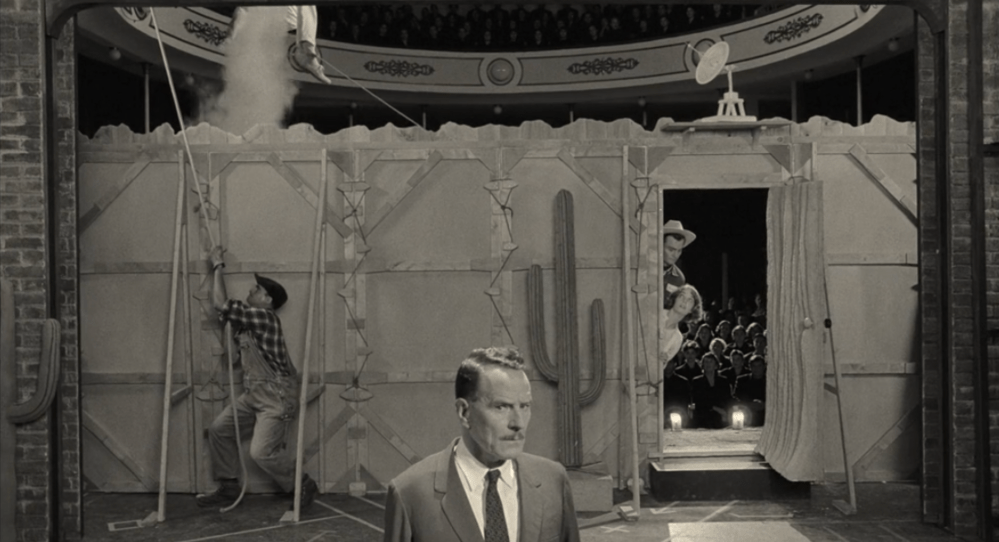
- Asteroid City, Claire Burgess & co. – Keeps everyone well-groomed and visually distinct, and doesnn’t overdo the theatre conceit, so reveals can really surprise us
- Barbie, Tilly Calder, Rob Crafer, Maha, Sarah Nuth & co. – Gives the denizens of Barbieland beauty and distinctness without veering into plastic fakeness. Weird Barbie a standout
- Beau is Afraid, Felix Lariviere, Colin Penman, Anthony Veilleux & co. – For realizing every inch and iteration of Phoenix’s body to suit its heightened tableaus, modulating (un)realities among the supporting cast
- Evil Dead Rise, Jason Docherty, Kim Docherty, Taylor Docherty & co. – Gives its imperiled family distinct looks, and assembles its Deadites with a budget Raimi couldn’t have dreamed of. Great gore. That prologue? Wig.
- Guardians of the Galaxy Vol. 3, Alexei Dmitriew, Cassie Russek & co. – The baseline quality on new and returning players remains vibrantly unique, with god-tier innovations for furries, as all great sci-fi must offer.
The two closest runners-up were A Thousand and One, for communicating as much about these characters through hair, weave, and nails as their eye-catching clothes do, and Oppenheimer, for differentiating five million white guys across decades, even if it gets pretty A Beautiful Mind-y by the end. Are You There God? It’s Me, Margaret finds unridiculous ’70s cosmetics and wigs for its cast, and though Air’s wigs are patently ridiculous, they’re also the most visually entertaining part of the movie, so, good for them. Dungeons & Dragons: Honor Among Thieves would have been a real contender if its tiefling wasn’t so disappointing, but alas.
Visual Effects

- Beau is Afraid, Alexandre Lafortune, Joaquin Cocina and Cristobal Leon – For one exquisite sequence, the absurdities and fears of Beau’s life enter a transcendent state
- Dungeons and Dragons: Honor Among Thieves, Pascal Blais & co. – Commitment to puppetry is consistently rewarding, and best CGI spectacles (maze monsters, the dragon!!!!) give this quest its own identity
- Evil Dead Rise, Brinsley Compton, Adam Johansen & co. – The grotesquery is as much a feat of great effects as makeup, not just with gory wounds but the hideous reunion of the main family
- John Wick Chapter 4, Jaroslav Bucek & co. – Ballistic gags meet the series’ Looney Tunes standards; not every CGI set is equally convincing, but the otherworldly skies are great tone-setters
- Shin Ultraman, Miki Funayama, Keima, Koichi Nobuta & co. – Where the unusual designs, powers, and battle physics all display the sheer gleeful imagination of kids playing with action figures
Runners-Up: Spider-Man: Across the Spider-Verse was a near miss for all the cool universe-rifts, spider-powers, and spots, but so much of what impressed me about it ultimately went back to character animation that I felt unsure about including it. Guardians of the Galaxy Vol. 3 did pretty well by its mainstays and new abominations, but the best stuff was more make-up oriented, and the resolutely un-saturated color palette of its finale counts against it. In more supporting terms, the whimsical effects of Barbie and earth-rattling bomb tests in Oppenheimer were exactly what their films needed them to be.
Tallying it all up, that’s 8 nominations for Barbie, 7 for Asteroid City, 6 for Law of Tehran, 5 for Alcarras, Pacifiction, and Past Lives, 4 for Are You There God? It’s Me, Margaret, Beau is Afraid, Godland, Kings of the World, Oppenheimer, Spider-Man: Across the Spider-Verse, and A Thousand and One, 3 for Kokomo City and Our Body, 2 for De Humani Corporis Fabrica, Evil Dead Rise, John Wick Chapter 4, New Religion, Showing Up, and Taylor Mac’s 24-Decade History of Popular Music, and 1 apiece for Bait, Dungeons and Dragons: Honor Among Thieves, Guardians of the Galaxy Vol. 3, How to Blow Up a Pipeline, Joyland, Knock at the Cabin, Master Gardener, Other People’s Children, Polite Society, Rewind and Play, and Suzume. It’s a wide swath of good, interesting movies, and I look forward to seeing which films will grow inn my estimation as the year progresses and the festival darlings start hitting the big screen. And, as always, I would love to hear from y’all what your favorite releases are, where you’d recommend I go next, how inspired and ridiculous my choices are in exchange for showing me your lineups. The best part of this stuff is comparing notes and sharing ideas, so lemme know what you think!!!


 It's Just Like The Movies
Leave a comment